
White Label
White Label OTA Platform Guide
Launch a branded booking site faster while planning for long-term control
By Project OTA | 23 Jun, 2026 | 5 min read
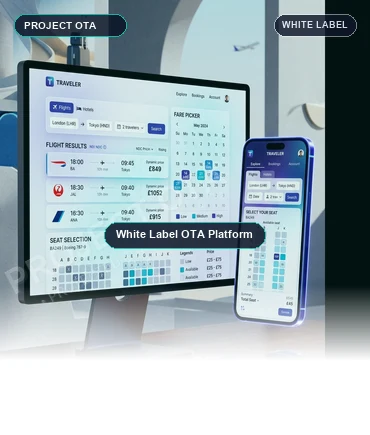
White-label OTA platforms can reduce launch time, but agencies should confirm supplier control, branding, SEO and data ownership.
When white label makes sense
White-label OTA platforms are useful for agencies that need a branded booking site quickly. They can provide ready search, booking and supplier access without a long custom development cycle.
This is often a good first step for agencies testing a market, launching a niche brand or supporting existing offline customers online.
What to evaluate
Check whether the platform supports your domain, brand design, SEO metadata, analytics, payment options, supplier visibility, markup rules, customer data export and support workflows.
Some white-label tools are fast but limit customization. Agencies should understand what can be changed now and what requires custom development later.
Growing beyond white label
As sales volume grows, agencies often need custom supplier routing, private fares, B2B controls, advanced reporting and unique customer experiences.
A good roadmap can start with white label and move gradually toward a custom OTA platform without interrupting operations.
Frequently Asked Questions
Is a white-label OTA good for SEO?
It can be, if the platform allows unique content, metadata, fast pages, crawlable URLs and control over canonical tags.
Can a white-label OTA use my own suppliers?
Some can, but many restrict supplier access. Confirm supplier, data and integration options before choosing a platform.
Key Takeaways
- White-label platforms help agencies launch quickly with lower upfront effort.
- Branding, SEO control and data ownership should be checked before signing.
- A custom roadmap prevents the agency from outgrowing the platform.
Project OTA offers white-label and custom OTA development paths based on the agency's launch timeline and control needs.
Talk to Project OTA